
For startups, facility management is often treated as a secondary concern behind product development, hiring, and marketing. However, the physical environment where a business operates plays a major role in long-term success. A well-managed facility improves productivity, reduces operational disruptions, enhances customer perception, and helps control costs as the business scales.
Unlike large corporations with established infrastructure teams, startups typically need to build their facility systems from the ground up. This creates both a challenge and an opportunity: poor planning can lead to inefficiencies and unexpected expenses, while thoughtful planning creates a scalable foundation that supports growth.
This article breaks down essential facility management services every startup should understand and implement early. Each section focuses on practical strategies that help businesses maintain safe, efficient, and professional environments as they expand.
Building a Clean and Productive Work Environment
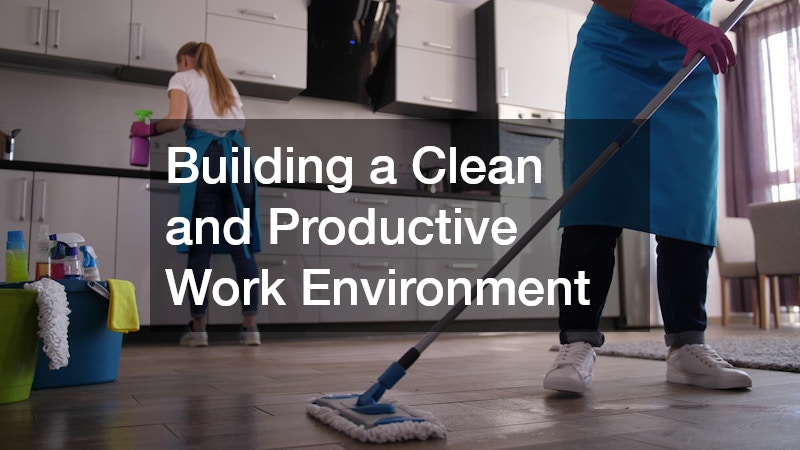
Startups often begin in shared offices, small commercial spaces, or converted work environments. Regardless of size, cleanliness directly affects employee performance and visitor impressions. A structured approach to upkeep ensures consistency and prevents small issues from becoming larger operational problems.
A consistent janitorial service is one of the most foundational elements of facility management. Rather than relying on ad hoc cleaning or internal staff to handle upkeep, startups benefit from scheduled professional cleaning that maintains consistent standards as workloads increase.
Key advantages of structured cleaning programs include:
- Improved employee health and reduced sick days
- Professional appearance for client-facing spaces
- Predictable maintenance costs for budgeting
- Reduced wear on flooring, furniture, and fixtures
To maximize effectiveness, startups should define cleaning priorities early:
- High-traffic areas such as entryways and shared spaces require daily attention
- Workstations and meeting rooms should be maintained on a scheduled rotation
- Restrooms and kitchen areas require strict sanitation protocols
Complementing interior cleanliness, window washing plays a surprisingly important role in workplace productivity. Natural light contributes to employee well-being, focus, and energy levels, but dirty windows can significantly reduce light quality and overall ambiance.
Best practices include:
- Scheduling exterior cleaning at least quarterly, depending on the environment
- Coordinating interior and exterior cleaning for full glass maintenance
- Prioritizing buildings in urban or dusty environments for more frequent service
Startups should also consider seasonal adjustments. For example, pollen-heavy regions may require more frequent maintenance in spring, while winter conditions may necessitate additional interior cleaning to manage moisture and residue buildup.
Protecting Exterior Surfaces and Preventing Costly Damage
Exterior maintenance is often overlooked until visible deterioration occurs. However, proactive care significantly reduces long-term repair costs and protects a company’s professional image. Dirt, mold, algae, and environmental buildup can degrade building materials over time if not properly managed.
One of the most effective tools for exterior maintenance is commercial pressure washing. This service helps remove stubborn buildup from building surfaces, sidewalks, entryways, and structural exteriors without damaging materials when performed correctly.
Benefits include:
- Extending the lifespan of exterior materials
- Improving safety by removing slippery buildup
- Enhancing curb appeal for clients and employees
- Preventing long-term staining or structural degradation
Closely related to this is pressure washing services, which often include more specialized cleaning for different surfaces and conditions. Startups should understand that not all exterior surfaces require the same treatment intensity.
For example:
- Concrete areas may require higher-pressure cleaning
- Painted surfaces need lower-pressure, controlled washing
- Delicate materials require soft washing techniques
To implement an effective exterior maintenance plan:
- Conduct seasonal inspections of all building exteriors
- Schedule cleaning before the buildup becomes visibly severe
- Align exterior cleaning with landscaping or parking maintenance schedules
- Work with providers who understand material-specific care requirements
Startups that establish a regular exterior cleaning schedule early avoid costly repairs and maintain a consistently professional appearance, which is especially important when attracting investors or clients.
Creating and Maintaining a Functional Outdoor Environment
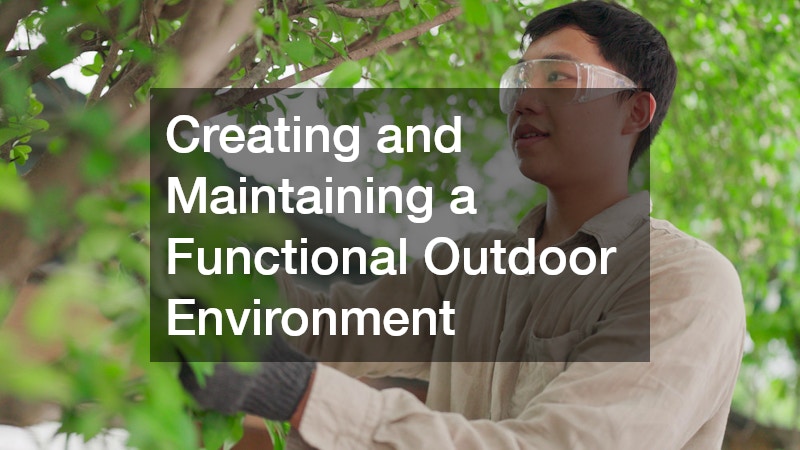
Outdoor areas are often the first impression clients and employees receive when arriving at a business location. A well-maintained exterior communicates professionalism, attention to detail, and organizational maturity—even for young companies.
Strategic landscaping services help startups design outdoor environments that are both visually appealing and cost-effective to maintain. Rather than pursuing elaborate designs, early-stage companies benefit from simplicity and sustainability.
Effective approaches include:
- Using drought-resistant or native plants to reduce maintenance costs
- Designing layouts that minimize mowing and trimming requirements
- Incorporating mulch and ground cover to reduce weed growth
- Planning for seasonal adaptability
Startups should also think long-term when planning outdoor spaces. A scalable design allows the landscape to evolve as the company grows without requiring a complete redesign.
Working with a local landscaping contractor provides additional advantages, especially for startups operating on tight budgets or needing flexible service arrangements. Local providers often bring:
- Faster response times for maintenance issues
- Familiarity with regional climate and soil conditions
- More flexible pricing structures for small businesses
When selecting a contractor, startups should evaluate:
- Portfolio of similar commercial properties
- Ability to scale services as business needs grow
- Communication, responsiveness, and reliability
- Understanding of long-term maintenance planning
Practical steps for implementation:
- Establish seasonal maintenance schedules (spring planting, summer upkeep, fall cleanup)
- Define clear expectations for service frequency
- Integrate landscaping care with broader facility management planning
- Budget for both routine maintenance and periodic enhancements
A well-maintained exterior environment supports brand credibility and improves day-to-day workplace experience for employees and visitors alike.
Enhancing Exterior Branding and Parking Functionality
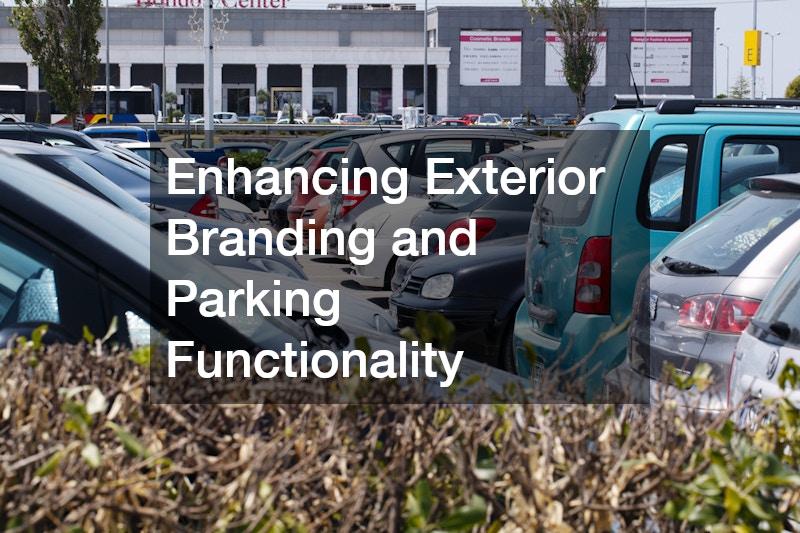
Facility management is not only about maintenance—it also plays a role in branding and operational efficiency. The exterior of a building communicates identity, while infrastructure elements like parking directly affect accessibility and user experience. For startups in particular, these details often shape first impressions long before a customer, client, or partner steps inside the building.
Clear and consistent parking lot striping is essential for safety, organization, and compliance. Over time, markings fade due to weather and traffic, which can lead to confusion, inefficiency, and even liability risks. Without clearly defined spaces, drivers may park inconsistently, block access points, or create congestion that affects daily operations. This becomes especially problematic during peak business hours or shared-use facilities.
Maintaining updated striping also supports predictable movement patterns within the lot, which helps reduce minor accidents and improves overall flow. In higher-traffic environments, even small improvements in layout clarity can significantly reduce frustration for both employees and visitors.
Key benefits of maintaining clear striping include:
- Improved traffic flow and reduced congestion by guiding vehicles efficiently through entry, exit, and parking zones
- Enhanced safety for pedestrians and drivers by clearly defining walkways, crosswalks, and vehicle boundaries
- Better utilization of available parking space through properly sized and clearly marked stalls
- Compliance with accessibility regulations, ensuring designated spaces remain visible and properly located
Beyond compliance, well-maintained striping also supports operational predictability. Employees and visitors can quickly understand where to park without needing assistance, which reduces interruptions at reception areas or building entrances. This creates a smoother arrival experience and reflects an organized, well-managed business environment.
Startups should treat parking maintenance as an ongoing responsibility rather than a one-time setup. Regular inspections help identify when repainting or reorganization is needed. A practical approach is to evaluate parking conditions quarterly or after major weather events, as both can accelerate fading and surface wear. Additionally, changes in business size or staffing levels may require adjustments to parking layout over time.
In addition to functionality, visual branding plays a critical role in creating a professional appearance. Commercial vinyl lettering is a cost-effective way to display branding, signage, and essential business information on windows, doors, and exterior surfaces. It allows startups to establish a strong visual identity without investing in expensive permanent installations.
This method is especially valuable for startups because it:
- Provides high visibility at relatively low cost, making it accessible for early-stage businesses with limited budgets
- Allows easy updates during rebranding or expansion, reducing the need for full signage replacement
- Works on a variety of smooth surfaces, including glass, metal, and finished exterior walls
- Creates a polished, cohesive visual identity that reinforces credibility and professionalism
Beyond basic branding, vinyl lettering can also be used for directional signage, operating hours, or promotional messaging. This flexibility makes it a versatile tool for evolving businesses that may frequently adjust their offerings or branding strategy.
Implementation tips include:
- Ensuring consistency with brand colors and typography to maintain a unified visual identity across all customer touchpoints
- Choosing durable materials suitable for outdoor exposure, especially in climates with high sun, rain, or humidity
- Planning placement for maximum visibility from pedestrian and vehicle traffic to increase brand recognition and wayfinding clarity
- Updating signage as business offerings evolve, ensuring exterior messaging always reflects current services and positioning
When combined, organized parking systems and clear exterior branding create a seamless first impression that reinforces professionalism and operational clarity. Together, they signal that a business is not only functional but also intentional about user experience, from arrival to departure.
Improving Interior Comfort and Energy Efficiency
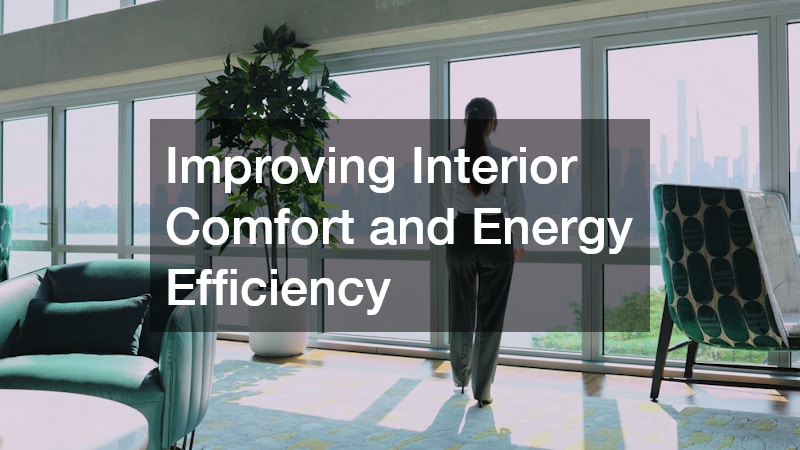
As startups grow, operational costs become increasingly important. Facility improvements that enhance energy efficiency and employee comfort can significantly reduce long-term expenses while improving workplace satisfaction. Beyond just reducing utility bills, these upgrades help create a more stable and controlled indoor environment, which becomes increasingly valuable as teams expand, equipment usage increases, and office layouts become more complex.
One effective solution is commercial window tinting, which helps regulate indoor temperature, reduce glare, and lower energy consumption. By limiting heat transfer through glass, businesses can reduce reliance on heating and cooling systems. This is especially impactful in offices with large windows or open layouts where sunlight exposure fluctuates throughout the day.
Key advantages include:
- Reduced energy bills over time, especially in climates with extreme seasonal temperatures
- Improved comfort for employees near windows who are often affected by heat or glare imbalance
- Protection from UV-related fading of interior furnishings, monitors, and decor
- Enhanced privacy without sacrificing natural light, maintaining an open and modern workspace feel
In addition to direct energy savings, tinting also helps stabilize internal temperature zones. This reduces strain on HVAC systems, which can extend equipment lifespan and reduce maintenance frequency. Over time, this contributes to more predictable operating costs and fewer unexpected facility-related expenses.
Complementing tinting solutions, custom window treatments provide flexibility in controlling light, privacy, and aesthetics within the workspace. Unlike fixed solutions, these treatments can be adjusted based on functional needs throughout the day. This adaptability is particularly useful in startups where spaces often serve multiple purposes, such as meeting rooms doubling as collaboration zones or private offices occasionally used for presentations.
Common benefits include:
- Improved meeting room privacy without permanent barriers, allowing flexible room usage
- Better light control for screen-heavy environments, reducing eye strain and improving focus
- Enhanced interior design cohesion, supporting a more polished and intentional brand atmosphere
- Adaptability as office layouts change, avoiding costly redesigns during expansion
Beyond functionality, window treatments also contribute to psychological comfort. Employees benefit from having control over their immediate environment, whether that means reducing glare during focused work or increasing natural light during collaborative sessions. This sense of control can improve satisfaction and productivity in measurable ways.
Startups should approach these improvements strategically:
- Prioritize high-exposure windows first for tinting, especially south- and west-facing glass
- Select modular or adjustable treatments for shared spaces to maximize flexibility
- Consider energy savings when evaluating return on investment, not just upfront installation costs
- Align design choices with overall workplace branding to maintain consistency across all visual elements
It is also important to phase these upgrades rather than attempting a full overhaul at once. Many startups begin with critical zones—such as executive offices, conference rooms, or areas with the highest sun exposure—before expanding improvements across the entire workspace as revenue and operational stability increase.
By investing in interior environmental controls, startups not only reduce operational costs but also create a more comfortable and productive work environment that supports long-term employee retention. Over time, these improvements contribute to fewer workplace distractions, better focus, and a more professional atmosphere that scales alongside the business.
Conclusion
Effective facility management is a foundational element of startup success that is often underestimated in the early stages of business development. While it may not generate direct revenue, it directly influences productivity, cost efficiency, brand perception, and scalability.
By implementing structured maintenance systems, startups can avoid reactive decision-making and instead build environments that support long-term growth. Clean interiors, well-maintained exteriors, organized infrastructure, and energy-efficient improvements all work together to create a cohesive operational foundation.
Ultimately, startups that invest early in thoughtful facility management position themselves for smoother scaling, fewer disruptions, and a more professional presence in their market.