
Scaling a manufacturing enterprise requires a continuous commitment to operational efficiency, technological advancement, and tactical modernizations across every stage of the production floor. As customer demands evolve, staying competitive requires shifting focus from simply maintaining current output levels to actively identifying bottlenecks, upgrading infrastructure, and expanding specialized capacities. Scaling up is not merely about increasing capacity; it involves optimizing floor layout, integrating high-grade specialized services, maintaining spotless facility environments, and adopting flexible equipment solutions that allow rapid adjustment to market demands.
By re-evaluating core operations, plant managers can discover untapped efficiency and unlock substantial cost savings. Taking a production facility to its peak involves looking at every component of the ecosystem, from heavy material handling to precision finishes and utility support. Modern manufacturing environments require a cohesive balance between internal capital investments and reliable external partnerships. Building a resilient strategy allows businesses to respond dynamically to complex design demands, lower operational expenses, and maintain rigorous quality assurance standards.
Streamlining Core Fabrication Capabilities

Partnering with Precision Custom Metal Fabricators
To maintain a competitive edge in the fast-evolving advanced manufacturing industry, one of the most effective methods to elevate manufacturing capabilities is integrating high-precision external expertise into the supply chain. Working alongside experienced sheet metal fabricators allows facilities to outsource highly complex components without committing massive capital toward specialized in-house equipment. These specialists bring deep expertise in laser cutting, punch pressing, and high-tolerance bending, which ensures that every component fits exact specs every time. By offloading intricate metal preparation to specialized experts, primary plants can keep internal machinery focused on final assembly, reducing internal lead times and keeping throughput consistent across all product lines.
Expanding Prototyping and Complex Assembly Options
To handle increasingly sophisticated product designs, relying on traditional internal tooling often creates costly production stalls. Integrating flexible options for custom metal fabrication enables businesses to pivot quickly during prototyping or short-run production stages without interrupting primary workflows. Highly skilled fabrication partners adapt quickly to changing specifications, assisting in material selection, structural integrity tests, and rapid adjustments. This agility accelerates time-to-market for new product lines, reduces scrap rates during initial build cycles, and ensures that complex structural elements meet demanding industry standards.
Modernizing Facility Utilities and Infrastructure
Optimizing High-Efficiency Pneumatic Systems
Compressors drive a vast array of automated tooling, robotic arms, and material transfer systems across modern production environments. Upgrading to advanced industrial compressed air systems delivers immediate improvements in energy efficiency, system pressure stability, and overall operational reliability. Modern compressed air setups utilize variable speed drives that automatically adjust output to match real-time factory demand, cutting energy overhead dramatically. Furthermore, integrated air treatment systems eliminate moisture and particulate contamination, extending the operating life of sensitive pneumatic tools and minimizing unpredicted maintenance shutdowns.
Investing in Smart Utility Controls and Monitoring
Moving beyond simple hardware updates, real-time monitoring of key utilities offers crucial insights into plant health. Placing digital sensors throughout high-use utility lines allows maintenance teams to track pressure drops, identify minor leaks before they trigger system failures, and plan predictive maintenance cycles accurately. Maintaining continuous control over pneumatic networks prevents sudden loss of power on assembly lines, keeps automated machinery running at top speed, and contributes to a lower overall carbon footprint for the enterprise.
Elevating Surface Finishing and Quality Standards
Transitioning to Durable Powder Finishes
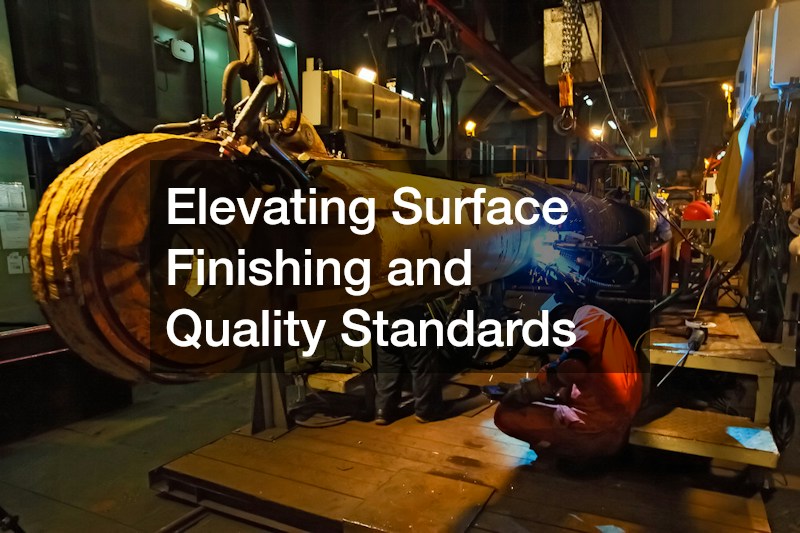
Surface finishing plays a vital role in determining product longevity, visual presentation, and overall customer satisfaction. Shifting away from wet painting processes toward industrial powder coating provides a significantly tougher finish that resists chipping, scratching, and corrosion under extreme operating conditions. Beyond superior durability, powder finishing is an environmentally conscious choice that releases virtually zero volatile organic compounds into the workspace. The electrostatic application process also ensures an exceptionally even coat across intricate geometric shapes, minimizing product reworks and raising quality output.
Enhancing Precision Component Finishing
For products that rely on specialized, miniature delivery systems or intricate spray components, precision finishing processes must meet exceptional quality benchmarks. Integrating automated lines tailored for aerosol parts helps maintain uniform surface treatment and strict dimensional tolerances across high-volume production runs. Ensuring clean application environments prevents airborne contaminants from ruining delicate valving mechanisms or nozzle fitments. Upgrading these targeted finishing lines reduces defect rates, improves unit consistency, and reinforces consumer trust in product functionality.
Upgrading Floor Surfaces and Environmental Controls
Applying Protective Industrial Flooring Solutions
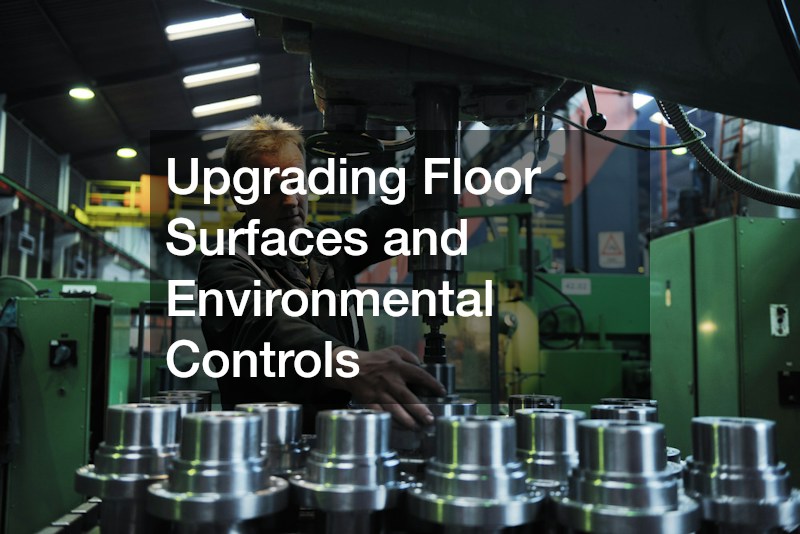
Factory floors endure constant stress from heavy machinery movement, chemical spills, and high foot traffic, which can cause concrete degradation over time. Installing professional epoxy garage coatings across working bays, repair stalls, and staging zones builds an impermeable barrier that guards against oil penetration, mechanical abrasion, and chemical erosion. These sleek, high-durability surfaces are exceptionally easy to clean, preventing dust accumulation that could spoil sensitive electronic or mechanical assemblies. Additionally, high-gloss floor coatings improve ambient light reflection, creating a brighter and safer working environment.
Establishing Clear Safety and Visual Management Zones
A modern production space utilizes visual management strategies to organize workflows and enforce safety protocols. Epoxy coatings can be customized with color-coded walkways, hazardous equipment borders, and clear storage zone markings directly on the floor surface. This visual clarity eliminates spatial clutter, keeps forklift traffic safely separated from pedestrian zones, and accelerates internal logistics movement. Maintaining bright, clear floor markings ensures strict compliance with safety regulations while streamlining daily operational movement across all shifts.
Enhancing Heavy Lifting and Material Movement
Securing Comprehensive Overhead Lifting Maintenance
Moving massive raw materials, structural frames, and heavy subassemblies throughout a production facility requires robust, reliable overhead lifting systems. Partnering with a reliable crane service ensures that overhead cranes, gantry systems, and hoists operate at peak performance with zero safety compromises. Routine inspections, load testing, and preventive mechanical overhauls eliminate the risk of catastrophic lifting failures, which can cause severe operational delays and pose major workplace safety risks. Well-maintained overhead systems keep heavy material moving smoothly across production cells.
Selecting Scalable Crane Configurations for Dynamic Workspaces
As production goals evolve, facilities often need to reconfigure floor space to accommodate larger products or new manufacturing lines. Mobile and modular lifting solutions offer the flexibility needed to handle shifting material loads without requiring permanent, restrictive facility redesigns. Expert crane technicians can assess plant dimensions and recommend custom rigging solutions that optimize vertical space, clear crowded aisleways, and streamline heavy transfer operations, ensuring that plant capacity can grow smoothly alongside rising product order volumes.
Streamlining Site Waste and Scrap Management
Implementing Efficient Bulk Scrap Disposal Solutions
Managing high volumes of solid waste, metal offcuts, and packaging debris efficiently is vital for maintaining a clean, safe production environment. Utilizing a dedicated roll off dumpster rental service gives manufacturing facilities a flexible, heavy-duty solution for containing and removing large-scale operational waste. Positioned strategically near primary cutting, stamping, or unpacking zones, large drop-off containers keep work aisles clear of hazardous obstructions. Scheduling flexible pickup and swap-out schedules prevents scrap overflow, ensuring continuous, uninterrupted workflow.
Creating Sustainable Recycling and Materials Recovery Workflows
Waste management is no longer just about disposal; it is a critical component of lean operational management. Implementing systematic waste segregation at the source allows facilities to separate recyclable metals, plastics, and corrugated cardboard before they mix with general waste streams. Working with proactive waste management partners enables businesses to sell high-purity scrap metal back to processors, turning operational waste into an unexpected revenue stream while supporting corporate sustainability and environmental targets.
Utilizing Flexible Equipment Procurement Strategies
Capitalizing on Heavy Machinery Rentals for Scalability
Rapid business growth often requires short-term access to specialized earthmoving, lifting, or material handling equipment without long-term capital commitment. Utilizing heavy equipment rental services allows plant managers to acquire telehandlers, excavators, or heavy forklifts precisely when major plant reconfigurations or short-duration contracts demand them. Renting eliminates long-term depreciation costs, reduces ongoing maintenance overhead, and gives management the flexibility to test specialized machinery before committing to full purchase investments.
Managing Temporary Capacity Spikes Cost-Effectively
When unexpected order spikes occur or specialized construction projects begin within the plant, acquiring temporary machinery keeps core operations moving on schedule. Rental providers offer access to modern, fully serviced equipment suites that meet strict safety standards and come backed by rapid field support. This strategy preserves working capital, maintains balance sheet flexibility, and provides immediate operational readiness to tackle large-scale manufacturing opportunities as soon as they arise.
Leveraging Automation and Industry 4.0 Integration
Integrating Robotic Process Automation
Adopting advanced automation is essential for facilities striving to stay ahead of competitive market pressures. Implementing robotic arms for repetitive tasks such as welding, palletizing, and machine tending frees up skilled workers to focus on higher-value quality control and process optimization tasks. Automated systems operate with absolute consistency, drastically reducing cycle times and eliminating human error in repetitive actions. Combining robotics with modern sensor networks creates a highly responsive manufacturing environment capable of running round-the-clock operations cleanly and efficiently.
Implementing Data-Driven Production Monitoring
Data collection drives intelligent decision-making across modern production lines. Deploying Internet of Things sensors across critical machines gathers real-time metrics on operating temperatures, vibration levels, and cycle times. Analyzing this operational data enables facility leaders to identify hidden bottlenecks, optimize machine utilization rates, and transition from reactive repairs to predictive maintenance schedules. Knowing exactly when a machine requires servicing prevents unpredicted breakdowns, preserves tool life, and maintains steady production schedules across all departments.
Cultivating Workforce Capabilities and Safety Standards
Continuous Technical Training and Skill Development
Investing in modern machinery and advanced software yields maximum return only when supported by a highly skilled workforce. Implementing continuous training programs ensures that operators, maintenance technicians, and floor managers stay updated on the latest operational techniques and safety protocols. Well-trained employees operate machinery more efficiently, perform faster troubleshooting, and actively contribute ideas for continuous process improvement. Fostering a culture of continuous learning boosts employee retention, enhances workplace safety, and keeps the workforce prepared to operate cutting-edge industrial technology.
Standardizing Lean Safety and Ergonomic Protocols
A safe working environment directly supports high productivity levels. Incorporating lean ergonomic principles into workstation design reduces physical strain on operators, lowering injury risks and reducing absenteeism. Standardizing clear safety procedures, conducting regular safety audits, and encouraging open reporting of near-miss events creates a strong safety culture across the entire facility. Prioritizing worker safety preserves valuable human capital, boosts workplace morale, and keeps operations running smoothly without costly regulatory interruptions or injury-related downtime.
Optimizing Supply Chain Integration and Inventory Management
Implementing Just-In-Time Material Logistics
Keeping excess inventory tied up in warehouse storage consumes valuable floor space and locks up working capital. Transitioning toward just-in-time material delivery models ensures that raw materials and subcomponents arrive at the facility precisely when needed for assembly. Establishing close digital integration with key suppliers provides real-time visibility into inventory levels, transit times, and potential delivery delays. This seamless communication network reduces storage overhead, minimizes material handling requirements, and keeps production schedules flexible and responsive.
Strengthening Vendor Relationships and Resiliency
Building strong, long-term partnerships with raw material suppliers, equipment providers, and logistics firms creates a resilient supply chain structure. Regularly reviewing vendor performance, conducting collaborative strategy sessions, and sharing production forecasts allow suppliers to align their capacity with your growth projections. A collaborative supply chain network mitigates risks associated with material shortages or shipping delays, ensuring that your production floor maintains access to the materials needed to meet client commitments consistently.
Expanding Future-Ready Manufacturing Practices
Driving Sustainable Energy and Resource Efficiency
Modern enterprise scaling must balance increased production output with sustainable resource management. Implementing energy-efficient LED lighting, heat recovery systems on heavy machinery, and smart building controls lowers utility expenses while significantly reducing environmental impact. Modernizing water recycling systems and minimizing waste generation across production lines further strengthens environmental compliance. Adopting sustainable practices enhances brand reputation, meets growing customer demand for green supply chains, and safeguards the business against rising energy costs.
Establishing Continuous Process Improvement Frameworks
Taking a production facility to the next level is an ongoing operational philosophy rather than a one-time project. Adopting continuous improvement frameworks like Six Sigma or Kaizen encourages teams across all levels to consistently seek out small, incremental efficiencies in daily workflows. Encouraging floor workers to suggest micro-improvements creates a proactive workplace culture focused on excellence. Over time, these small adjustments compound into major gains in speed, accuracy, and overall profitability, establishing a solid foundation for long-term industrial leadership.
By addressing physical floor infrastructure, material handling capabilities, utility management, and digital automation simultaneously, enterprise facilities build the operational strength needed to handle high-volume growth effortlessly. Modernizing every tier of production ensures consistent output quality, boosts worker safety, and keeps the entire facility adaptable in a rapidly shifting commercial landscape. Investing thoughtfully in core operational capabilities empowers manufacturers to expand market presence, maximize profit margins, and deliver exceptional value to clients around the globe.